Table Of Content

“Cedarwood oil is an essential oil produced from the foliage and sometimes the wood, roots and stumps that are left after logging of the trees,” Friese explains. Points out that the unique oil is often laced into perfumes because of its olfactory benefits. “It has a warm, woody aroma and is known for its various therapeutic properties,” he says.
Best Hair Oils for Loss and Regrowth
Almond Oil for Hair: Benefits, How to Use, and Products in 2024 - Cosmopolitan
Almond Oil for Hair: Benefits, How to Use, and Products in 2024.
Posted: Tue, 19 Mar 2024 07:00:00 GMT [source]
“Different oils promote different results, so it is best to understand what results you are looking for from oiling before choosing an oil,” says Fitzsimons. He points to coconut oil, which is rich in natural fatty acids, for repairing properties, and jojoba oil for a lightweight option that won’t leave behind a greasy residue. He also likes sesame oil for nourishment and recommends a product like Salwa Petersen's Oil of Chébé for your hair oiling needs. Dr. Nathan likes marula oil, which contains antioxidants and protects hair from environmental aggressors, and recommends a product like the Vegamour HYDR-8 Weightless Repair Hair Oil. Every Saturday morning, my mom would sit us down to oil our scalps with a special blend of coconut oil, amla oil, almond oil, and castor oil.
Want to simplify your hair care routine? Hairstylists recommend using argan oil - CNN Underscored
Want to simplify your hair care routine? Hairstylists recommend using argan oil.
Posted: Thu, 22 Feb 2024 08:00:00 GMT [source]
What kind of oils should I use on my hair?
Alternatively, you can use it as the final step in your hair care routine as a finisher. “I wouldn’t place it directly on the scalp—instead, I would recommend applying it to your hair," LoGerfo says. "If you have dry or split ends, concentrate the application there,” she adds. A 2021 study of 140 people in India—70 with dandruff and 70 without—found that topical applications of coconut oil to the scalp had antifungal benefits.
Almond oil
Tea tree oil has powerful cleansing, antibacterial, and antimicrobial properties. When used topically, it can help unplug hair follicles and increase hair growth. Clary sage oil contains the same linalyl acetate that helps make lavender oil so effective in increasing hair growth. It can improve hair strength, in addition to increasing hair growth, making hair more difficult to break. Mix a few drops into your shampoo or conditioner daily, and make sure it’s massaged into your scalp. If you want to improve both hair thickness and hair growth, rosemary oil is a great choice thanks to its ability to improve cellular generation.
The miraculous powers of the good old champi or hair oiling are familiar to every Indian and it is an indispensable part of any Indian beauty routine. A perfect hair oil massage has benefits that go beyond just healthy hair — it increases blood flow in your scalp, reduces hair fall, encourages hair growth, relaxes the muscles and eases stress and anxiety as well. So here’s a deep dive into the most common mistakes to avoid, that prevent you from getting the most out of each champi, along with some bullet proof DIY hair masks. If scalp issues are behind your hair loss, a hair oil that is applied to the scalp can help expedite the healing process and get your scalp back into top shape to support hair growth. Since scalp oils are generally made up of natural oils that are rich in fatty acids, they will keep your scalp nice and hydrated.
Damaged Hair

Cleveland suggests applying your oil of choice directly to the scalp, working in one-inch sections. “Once each section is made you can apply oil straight down the part line and massage it in with the pads of your fingertips,” she explains. “Once complete, continue massaging the scalp and work any excess oil down the hair strands to the ends.
Olive oil: Ethereal Nature 100% Natural Hair Oil Blend Olive Clear
Grace also recommends using hair oil in addition to protective styles like twists or braids, to further protect your tresses. All in all, it’s good to start slowly when exploring different hair routines. Remember, not every head of hair is the same, so oils — as natural as they may be — can yield different results for everyone.
In other words, there is no research to confirm that heating oil improves its permeability. One thing to keep in mind is that this formula does have a rich consistency. While this could be a major bonus if you have thick hair, those with thin hair should start by applying just one or two drops in order to avoid a greasy finish.
Essential Oils for Hair
Procapil similarly gets the blood flowing to the scalp to give it the power it needs to create healthy hair. From avocado oil to argan oil, natural oils extracted from nuts, seeds, and fruits can help strengthen your hair and enhance its texture. People turn to them, or products that contain them, for a variety of reasons, such as hair dryness, dullness, or damage. Because oils supply moisture to your scalp, they may also help eliminate dandruff.
Whether you're hoping to protect your hair from heat, achieve unprecedented shine, or kick off a hair health journey, read on to find out which of the 16 best hair oils is right for you. While it is unclear whether avocado oil can prevent hair loss when applied to the scalp, it is known to contain fatty acids and minerals that help seal the outermost layer of hair strands (called the cuticle). This can help your hair look smoother and shinier and prevent it from breaking. Argan oil is lauded for being a haircare wonder, but how can you tell if you've landed a quality one? With the pure oils, looking at color (should be a golden hue), scent (slightly nutty), and potency (labeled as 100 percent argan oil) will help you identify real versus fake, quality versus refined. When it comes to using the oil in shampoos, conditioners, and other hairstyling products, you'll know if argan is the star if it's listed as one of the first ingredients on the label.
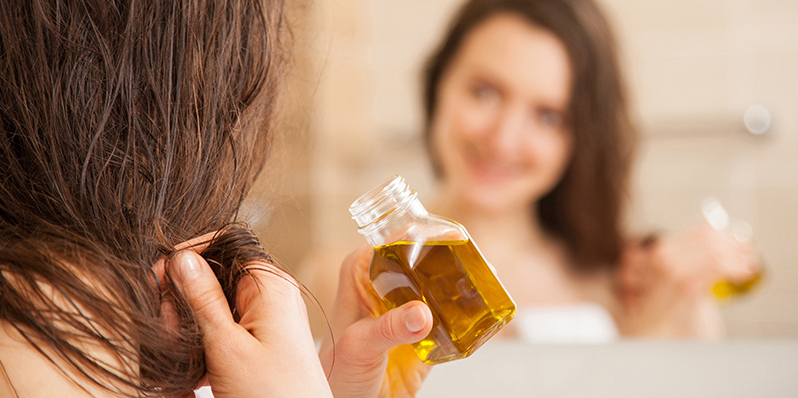
When integrating oils into your hair-care routine, Kay suggests starting slow to see the effect on your hair health. “Start by massaging a few drops of diluted scalp-stimulating oils (like castor or rosemary essential oil) on your head one or two times weekly,” she instructs. If you have coarse or curly texture, rub a few drops of carriers (like jojoba or grapeseed) toward the bottom as a leave-in conditioner to heal split ends. These healing properties can treat several dermatological conditions that can hinder hair growth such as psoriasis, seborrheic dermatitis, dandruff, cicatricial alopecia, and overall hair loss, he says. Essential oils, including tea tree, lavender, and clove oils, can also zap fungi, which eliminates excess sebum and oily hair.
Avocados are a rich source of vitamin E (an antioxidant compound found to fight hair loss when taken in supplement form). If you know the right way to apply olive oil, this dietary staple can work wonders on your mane. Getting rid of all the excess oil is important, but not too soon! This lets the oil penetrate through the follicles and nourish your scalp. All content related to drugs, procedures, treatments, ingredients, and side effects are clearly indicated to the reader.
Instead, use a cleansing combination of aloe vera gel and crushed neem leaves or neem oil. If you’re using homemade aloe gel, remove the sap and blend the gel with water before sieving it out. Your scalp will feel much cleaner but just remember neem does dry your scalp, so use this mask once a week. Don’t tie your hair after applying oil “When you massage your scalp, hair cuticles open up and there are high chances of you losing out on strands if you tie your hair too tight,” she explains. You can risk messing with your hair’s natural essential oils, and it could end up a little greasy or even too dry. Similarly, if you have dandruff, avoid oiling your scalp, says Reavey.
People in India and across South Asia frequently use it to rejuvenate locks, and it just may be one of the most commonly used hair oils out there. Used as a home remedy for everything from dark circles to cellulite, coconut oil is also a key player in the hair care game. Sesame oil is another useful oil for the hair, as it contains a high level of fatty acids, including linoleic acid and oleic acids, which Dr. Luke notes are great for adding moisture to the hair.
Trichologist Kate Holden adds that oils are also good for the scalp. "Tea tree, peppermint, ginger, and cade oil can help alleviate itchiness and reduce inflammation," she explains. So while your hair type and concerns may dictate how you use one, chances are your hair could benefit from using an oil in one way or another. But you can opt for any oil that feels good to you and your hair.
Baobab oil has incredible conditioning properties that “adds a subtle gloss to all hair types,” says Kay. Beyond making your strands look more lustrous, this spray-on oil styling mask has a baobab oil-protein technology that rebuild bonds and seals the hair cuticle. Use this lightweight scalp and hair and oil treatment as a preshampoo. It’s infused with avocado oil, a rich source of vitamin E, which prevents hair loss, seals the hair cuticle, dials up your natural shine, and makes your tresses extra smooth. "Think of it as a moisturizing leave-in conditioner," says Dr. Li.



No comments:
Post a Comment